
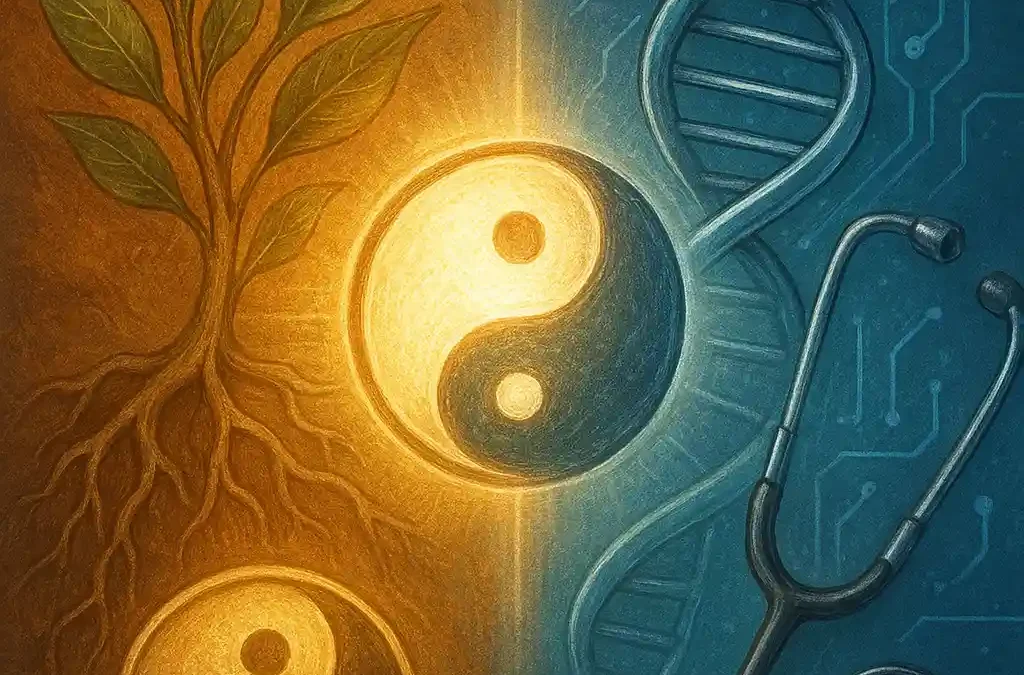
Traditional Vs. Western Medicine: An Interdisciplinary Approach
The debate surrounding Traditional Vs. Western Medicine centers on how these two diverse sets of knowledge, techniques, and procedures can effectively coexist. While these practices reflect the unique theories and beliefs of different cultures, the successful integration of Traditional Vs. Western Medicine into modern healthcare systems depends on professional validation. This is why our scientific consulting for complementary and alternative medicine (CAM) is essential, as it provides the interdisciplinary framework necessary to ensure these therapies meet international safety and efficacy standards.
The term conventional medicine is also known as western or allopathic medicine. Traditional medicine varies from one country to another and covers different practices and concepts. While some practices have proven beneficial, others still raise questions regarding their application.
There is substantial data supporting the use of certain traditional or alternative medicines and therapies. Currently, the World Health Organization (WHO) promotes evidence-based scientific research to determine the safety, efficacy, and quality of Traditional Vs. Western Medicine practices globally.
The National Center for Complementary and Alternative Medicine (NCCAM) of the United States defines Complementary and Alternative Medicine as:
“A set of medical and health care systems, practices, and products that are not currently considered part of conventional medicine.”
Our interdisciplinary framework aligns with the WHO Traditional Medicine Strategy, which promotes the safe and effective integration of traditional practices into modern healthcare systems through rigorous scientific validation.
Key Differences: Traditional Vs. Western Medicine
While Western medicine often focuses on acute care and symptom management through pharmacological intervention, Traditional medicine usually takes a holistic approach, considering the patient’s lifestyle and environment. Understanding the synergy between Traditional Vs. Western Medicine allows for a more comprehensive healthcare strategy, especially in the development of botanical-based products and nutraceuticals.
The Future of Traditional Vs. Western Medicine Integration
Modern clinical research is increasingly validating ancestral knowledge. The integration of Traditional Vs. Western Medicine ensures that complementary therapies are not only effective but also safe for global consumption. At Udana, we apply rigorous scientific standards to bridge this gap, transforming traditional wisdom into evidence-based healthcare solutions.