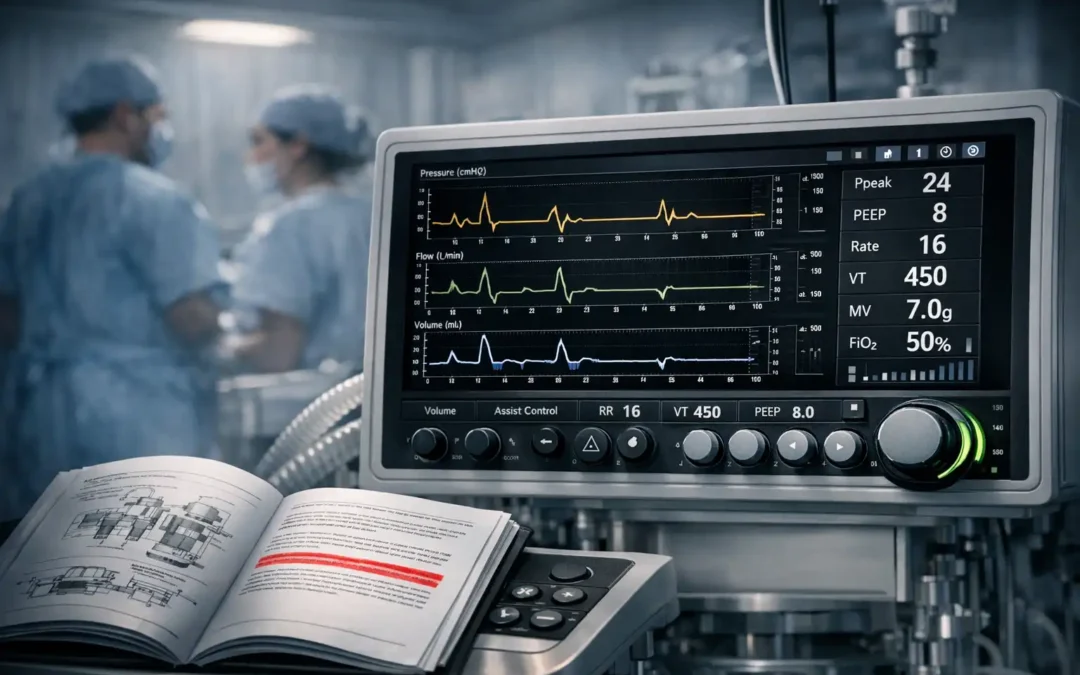
When you handle high-stakes technical documentation, understanding the dangers of literal translation is essential because relying on word-for-word exchanges can lead to more than just awkward phrasing
What Exactly Defines The Dangers of Literal Translation?
Essentially, a literal translation occurs when a translator converts text from one language to another word-for-word, without considering the cultural or technical context. In everyday conversation, this might result in a funny misunderstanding. However, when applied to a ventilator or a surgical laser manual, this method ignores the “syntax of safety.” It misses the specialized terminology that medical professionals use in specific regions, potentially turning a life-saving instruction into a confusing command.
Common Errors That Illustrate The Dangers of Literal Translation
To understand the scope of the problem, we should look at how these errors typically manifest in technical files:
-
False Cognates: Words that look similar in two languages but have vastly different medical meanings.
-
Unit Conversion Blunders: Incorrectly translating measurements (e.g., Celsius to Fahrenheit) because the translator followed the text rather than the logic.
-
Ambiguous Instructions: Using a general verb when a specific clinical action is required.
-
Cultural Misalignment: Ignoring local regulatory symbols or formatting standards that differ from the country of origin.
The Importance of Avoiding Literal Translation
The primary reason to avoid a literal translation is the mitigation of risk. Medical equipment operates within a strict legal framework. If an interface or a manual is poorly translated, the manufacturer could face massive liability claims, product recalls, or even the loss of their operating license in foreign markets. Furthermore, clear communication builds trust with healthcare providers. When a manual is easy to read and technically precise, doctors and nurses can focus on the patient instead of deciphering a manual.
Real-World Applications and Consequences
Precision in medical documentation is not just about language; it is about life sciences expertise. To guarantee that your technical manuals meet every regulatory and clinical requirement, it is essential to utilize specialized
In practice, the dangers of a literal translation appear during the most critical moments. Imagine a technician performing maintenance on an MRI machine. If the manual uses a literal term for “grounding” that the technician interprets as “blocking,” the result could be a fatal electrical surge.
Similarly, in pharmaceutical settings, dosage instructions or storage requirements must be exact. This is precisely where professional pharmaceutical translation services become indispensable. Unlike a generic translator, a specialist understands the biochemistry and the legal requirements behind every sentence.
Why Professional Expertise Matters
Because the stakes are so high, many organizations are moving away from basic linguistic tools. Instead, they seek partners who prioritize the EEAT framework. You need more than just a bilingual speaker; you need a partner that offers specialized medical and scientific consulting solutions to ensure every technical nuance is captured.
At Udana INC, we recognize that precision is not optional
Don’t let the dangers of literal translation jeopardize your reputation or patient safety